Fintech Meetup Europe in Lisbon: Connecting Payments Across Borders
At Fintech Meetup Europe in Lisbon on 6–8 October 2026, discussions about the future of payments repeatedly returned to five themes: interoperability, account-to-account payments, stablecoins, collaboration and AI.
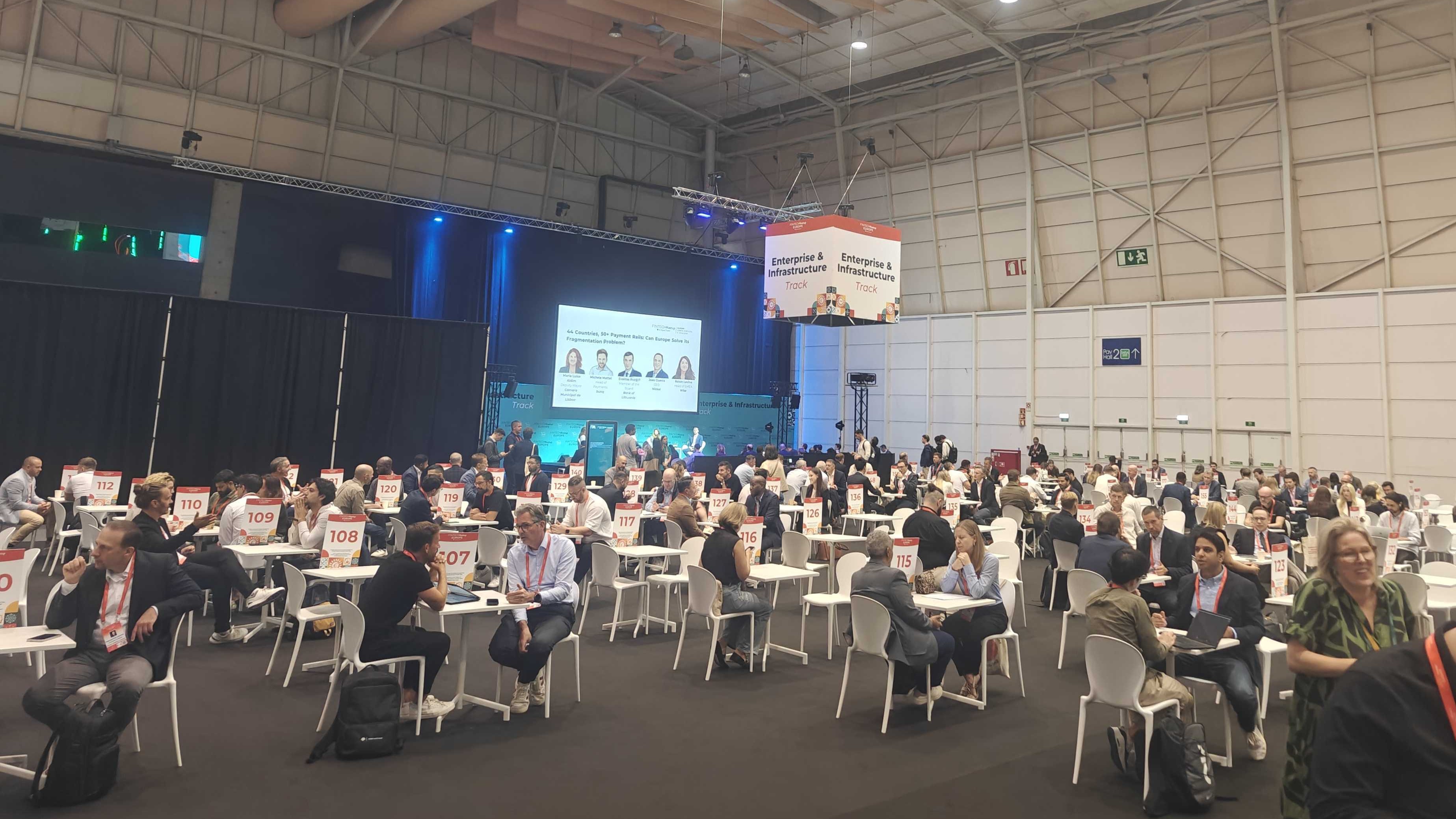
Across panels and conversations, a shared ambition emerged: enabling people to use the payment services they already trust beyond their home market.
Achieving that requires reliable connections between local payment systems and closer cooperation between the institutions that operate them. These are five takeaways from the event.
1. Interoperability starts with a familiar payment experience
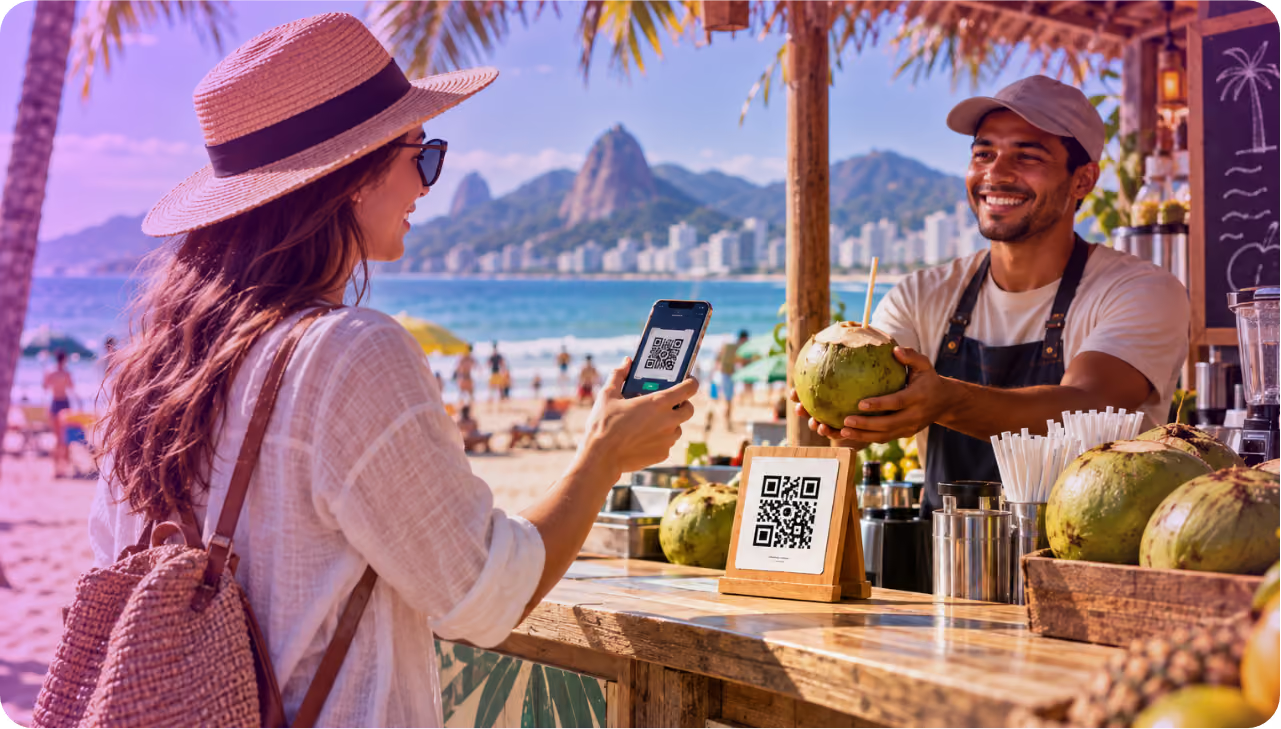
A Portuguese traveller wanting to use MB WAY abroad, a Spanish customer visiting Latin America, or a French traveller paying in Southeast Asia: these examples capture the practical value of interoperability.
The goal is to let people keep a familiar payment experience when the country and currency change.
For banks and wallets, this creates an opportunity to remain useful to customers while they travel. For merchants, it means accepting payments from international visitors through local payment systems.
Delivering that experience requires agreement on how payments are authorised, routed, converted and settled, and how customers and merchants receive support. The value of interoperability becomes visible when all these elements work together.
2. A2A and QR create opportunities beyond domestic markets
Account-to-account payments featured prominently in the discussions, alongside growing interest in the products and services that can be built around them.
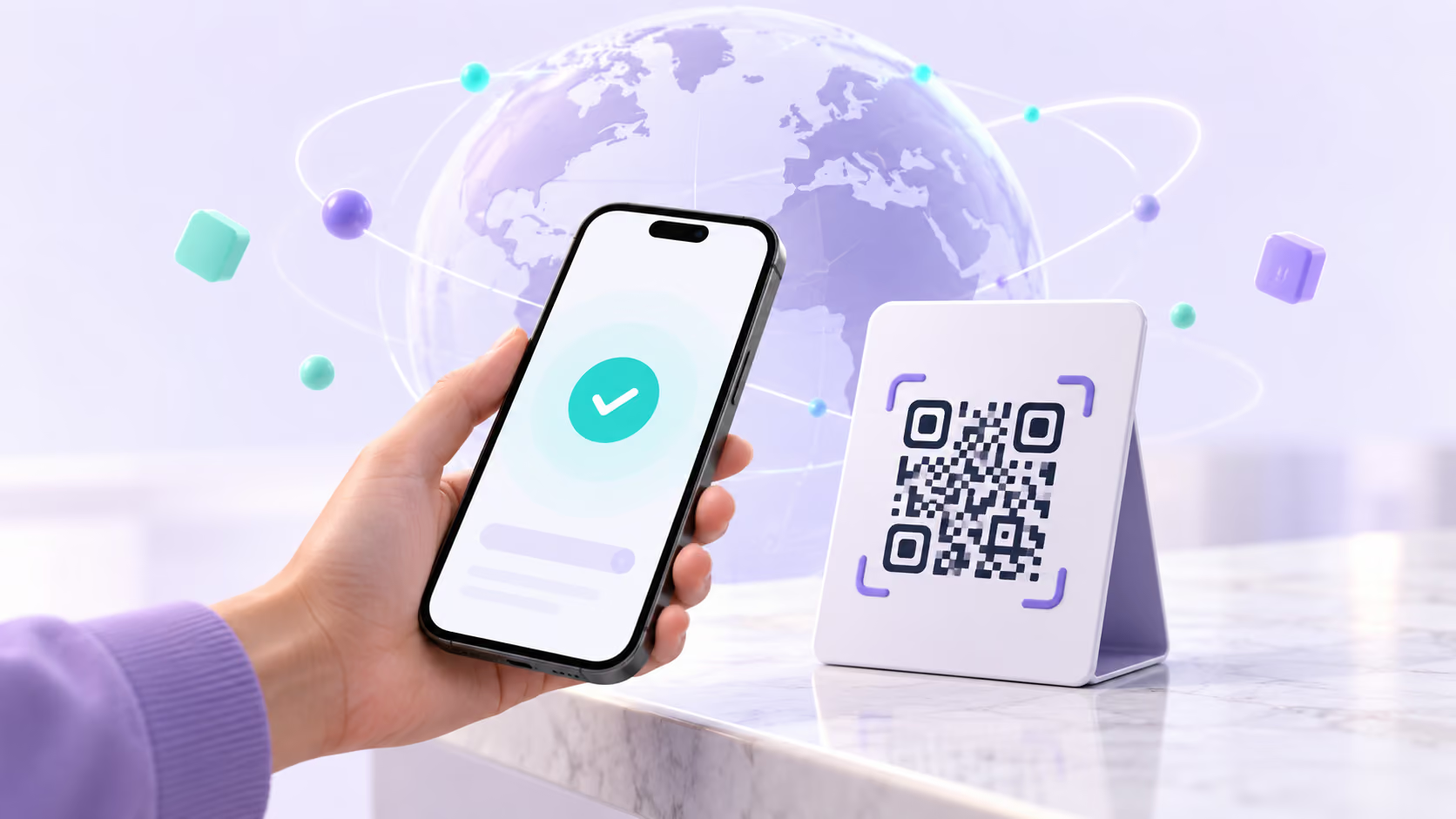
QR codes offer a practical way to initiate those payments at the point of purchase. A customer scans a merchant’s code, confirms the payment in their app, and the transaction moves through the connected systems.
The cross-border opportunity lies in connecting the customer’s provider to the payment methods accepted at the destination. That involves technical integration, scheme rules, currency conversion and local settlement arrangements.
For institutions, access to those connections can help turn an established domestic payment experience into an international service.
3. Stablecoins are becoming a practical settlement discussion
Conversations about stablecoins increasingly focused on their use within payment flows, particularly in emerging markets and corridors beyond the G10.
One recurring concept was the “stablecoin sandwich”: a payment begins in fiat currency, uses a stablecoin for an intermediate transfer, and ends in fiat currency at the destination. A2A systems can provide the local entry and exit points.
In this model, customers and merchants can continue using familiar payment services while the intermediate transfer uses a different settlement mechanism.
The practical question is where this approach improves the complete payment journey. Conversion costs, liquidity, local payouts and compliance all influence the result.
Connecting the systems at each end remains essential to turning a settlement mechanism into a useful payment service.
4. Banks and fintechs need workable partnerships
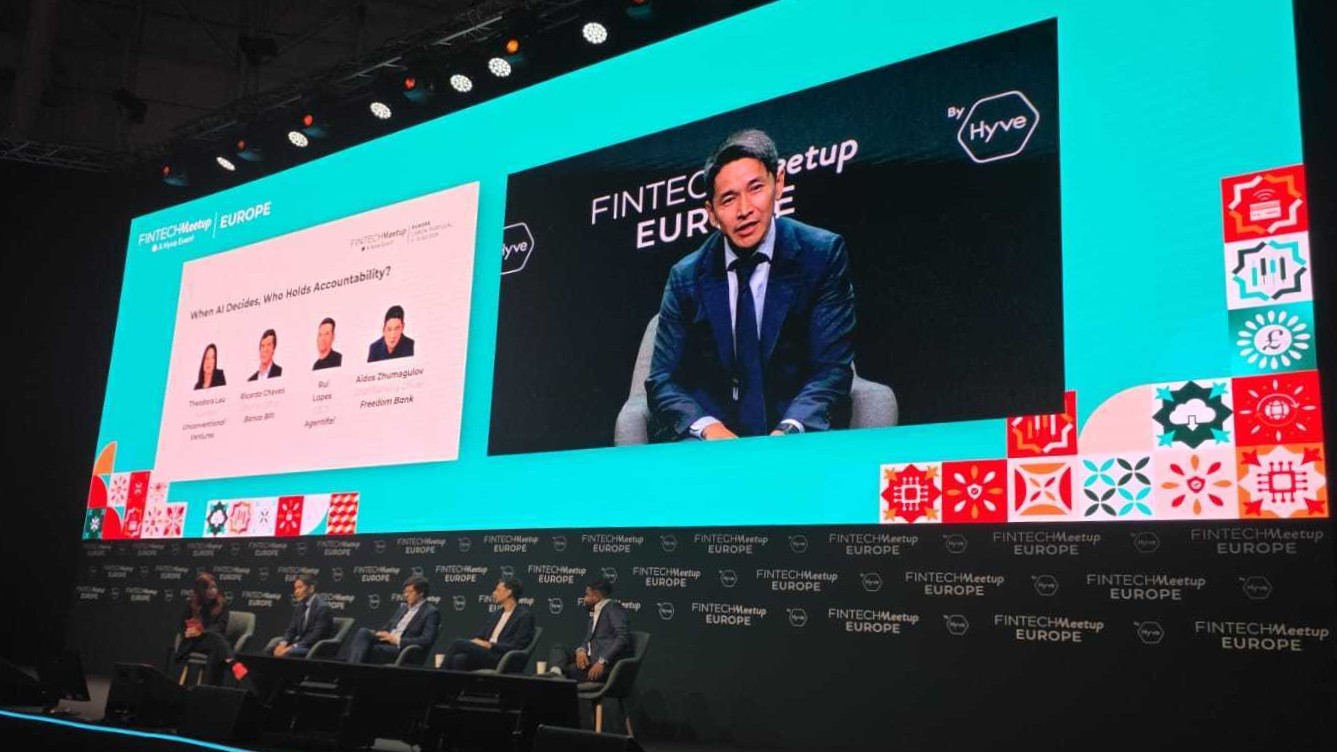
The panel on payment fragmentation highlighted repeated calls for more collaboration across borders and clearer paths for innovative providers to enter European markets.
Discussions pointed to the cost and complexity of navigating overlapping regulatory requirements. A recurring concern was that these obstacles could slow the introduction of payment services already gaining traction in parts of Asia and Latin America.
Strong regulatory standards and practical access to the market need to work together. Institutions also need partners with whom they can turn a promising use case into a functioning service.
Banks contribute trust, regulatory experience and established customer relationships. Fintechs bring specialist technology, market knowledge and focused product development. Collaboration works when those strengths are matched with clear responsibilities and a shared plan for delivery.
5. AI needs a specific use case
AI appeared throughout the event’s conversations, alongside questions about how to implement it, measure its value and determine where it is useful.
Interest was accompanied by caution. Each application needs a defined purpose and a way to assess the outcome.
For payment providers, that means starting with a concrete customer or operational problem. The same principle applies to the other innovations discussed in Lisbon: their value comes from the improvements they deliver in practice.
How 8B connects these ideas to payment services
The discussions reinforced 8B’s approach as a connector between institutions and local payment systems.
Through our Fintech-as-a-Service model, we help payment providers, banks and wallets access local payment methods and develop services across borders. Our Scan-to-Pay offering enables users of connected banking and wallet apps to pay at participating merchants abroad.
8B’s live Scan-to-Pay coverage spans 12 markets:
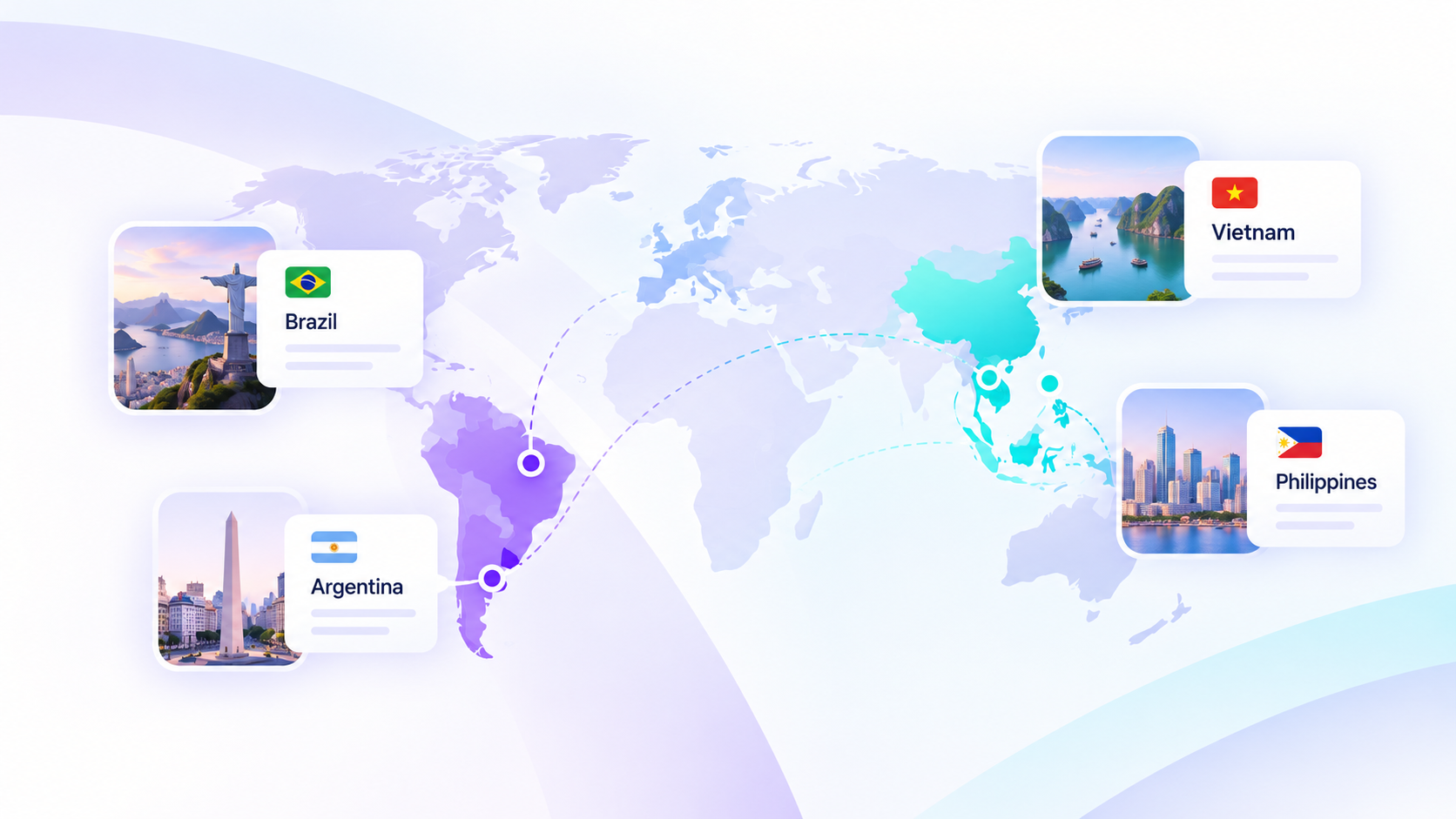
- Latin America: Brazil (Pix), Argentina (Transferencias 3.0), Colombia (Bre-B), Peru (Yape / Plin), Bolivia (QR Simple) and Paraguay (QR Bancard).
- Asia: Vietnam (VietQR), the Philippines (QR Ph), Cambodia (KHQR), Laos (LAO QR) and Mongolia (QPay).
- Central Asia: Kyrgyzstan (ELQR).
Upcoming connections include Turkey’s TR QR, South Korea’s Seoul Pay, Malaysia’s DuitNow QR and Kazakhstan’s Unified QR.
For institutions, these connections provide a way to extend their existing customer experience into additional markets through one integration with 8B.
The ambition expressed in Lisbon is closely aligned with our work: making local payment systems accessible across borders through reliable connections and cooperation between institutions.
You may be interested in:
Continue Your Research
Explore More 8B Research
Discover how history, culture, migration and financial infrastructure shape cross-border payment corridors.
How Do QR Payments Work? From Scan to Settlement
Explore what happens after a QR scan, from payment authorisation and routing to currency conversion and merchant settlement.