Uzbek Tourists Can Now Pay in Kazakhstan with HUMO Cards — No Dollars, No Intermediaries
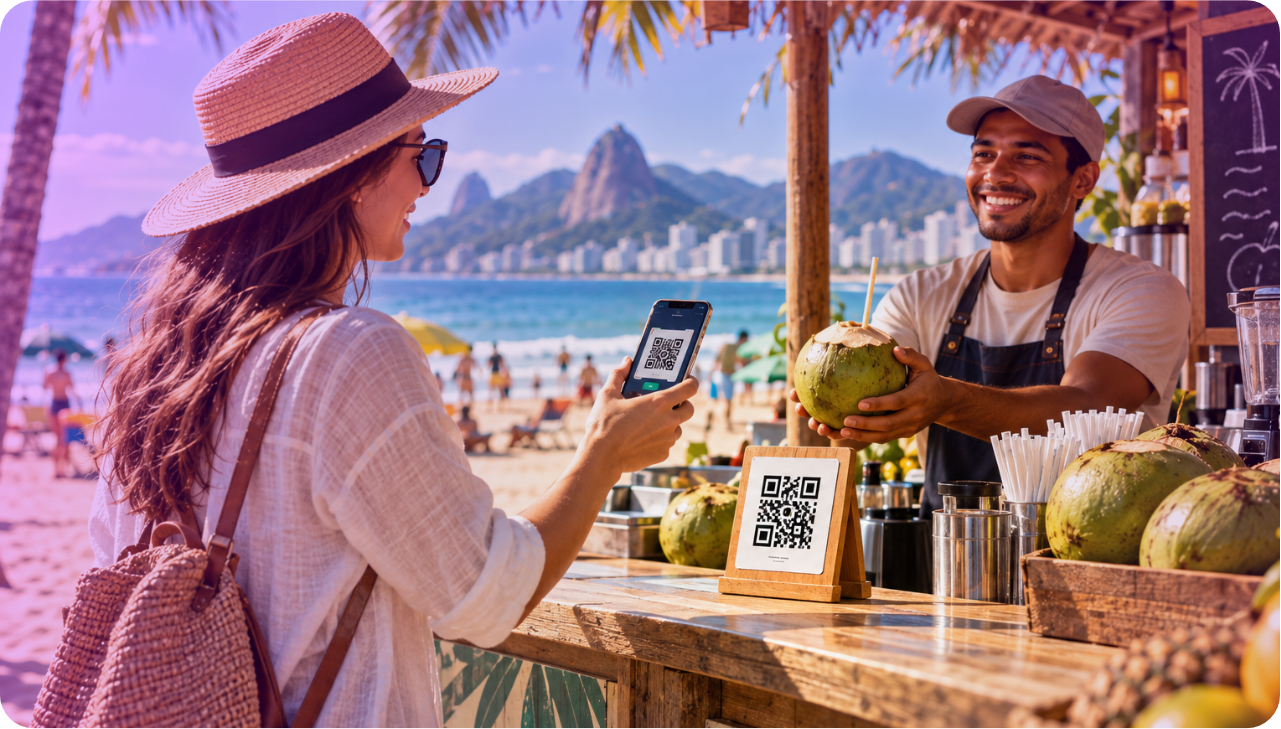
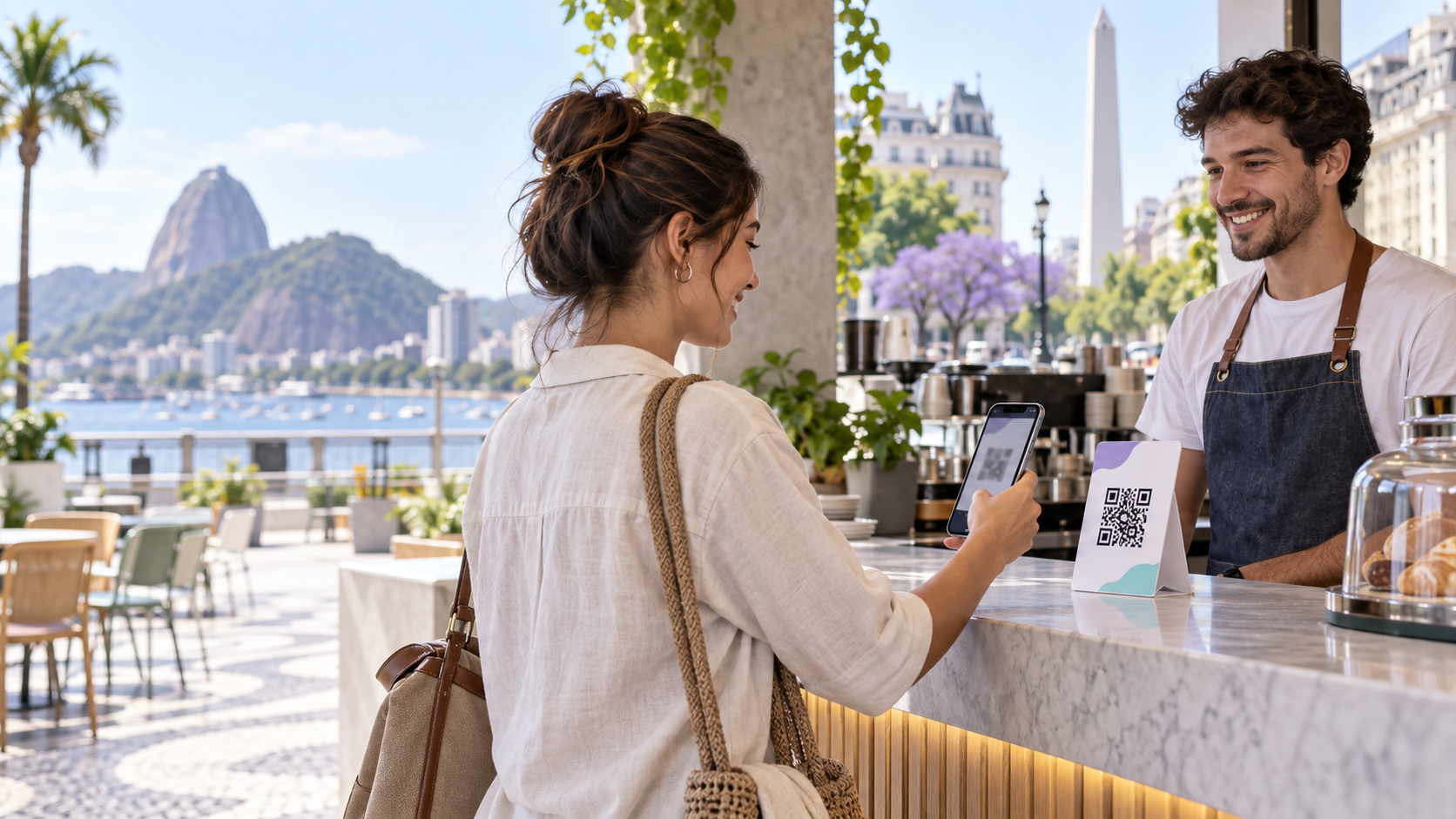
Uzbek travelers in Almaty can now pay directly with HUMO cards, thanks to a new cross-border payment bridge between Uzbekistan and Kazakhstan, bypassing global card networks and USD conversion entirely.
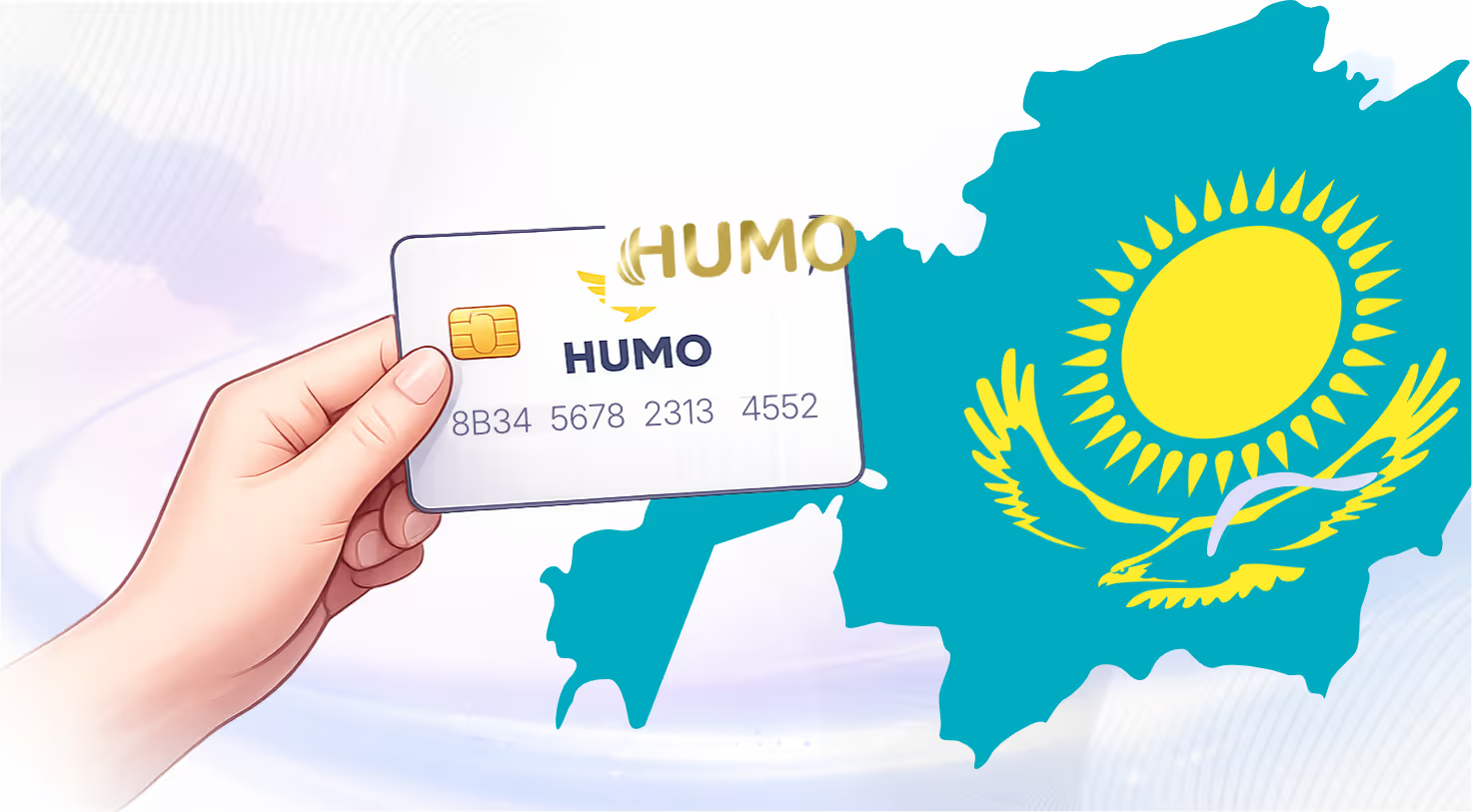
An Uzbek tourist in Almaty just paid with their HUMO card.
No currency exchange. No ATM withdrawal. No Visa or Mastercard in between. Just a local card, a local terminal, and a real-time conversion from Uzbek som to Kazakh tenge—happening invisibly in the background.
This is no longer theoretical.
Halyk Bank, Kazakhstan’s largest financial institution, has enabled HUMO acceptance through its Uzbek subsidiary, Tenge Bank. The system supports physical cards, virtual cards, and NFC contactless payments. And it works across Kazakhstan’s largest merchant network.
This is not a pilot. Not a whitepaper. Not a future promise.
This is real cross-border spending, live, operational, and already in use, without touching the dollar.
A New Payment Architecture
The infrastructure behind this shift is surprisingly simple:
- Domestic payment rails on both sides
- A bilateral bridge connecting them
- Local currency settlement end-to-end
No correspondent banks. No USD conversion layer. No external network extracting fees at every step.
This is the same economic model global card schemes built their dominance on, now being replicated directly between sovereign systems.
Why This Matters Now
Uzbekistan is not a niche market. With a population of 37 million and rapidly growing outbound tourism, its payment footprint matters.
Tourism flows to Kazakhstan are increasing by 75% year-on-year. Trade between the two countries is accelerating. The corridor is already active (what was missing was matching financial infrastructure).
Now, payments have caught up with movement.
Part of a Larger Regional Shift
This isn’t an isolated case. It’s part of a broader pattern emerging across Asia:
- Korea and Indonesia linking payment systems
- India and Malaysia enabling cross-border QR payments
- Laos connecting with four neighboring countries via a single QR standard
Across the region, national payment schemes and central banks are stitching together direct connections.
Not as a political statement, but as a practical one.
Because it’s:
- Cheaper
- Faster
- Locally controlled
Where 8B Fits In
At 8B, we operate precisely in this layer—the connective tissue between sovereign payment systems in Central Asia and beyond.
Every new bilateral bridge doesn’t just solve one corridor. It lowers the barrier for the next. It builds momentum toward a more interoperable, regional payment ecosystem.
A Quiet Shift in Global Payments
The dollar isn’t disappearing. It won’t lose its reserve status overnight.
But every som-to-tenge transaction that bypasses it is a small, quiet signal.
A signal that alternatives are not only possible, but already working.
You may be interested in: