QR Goes Global Through Your Home Bank
.avif)
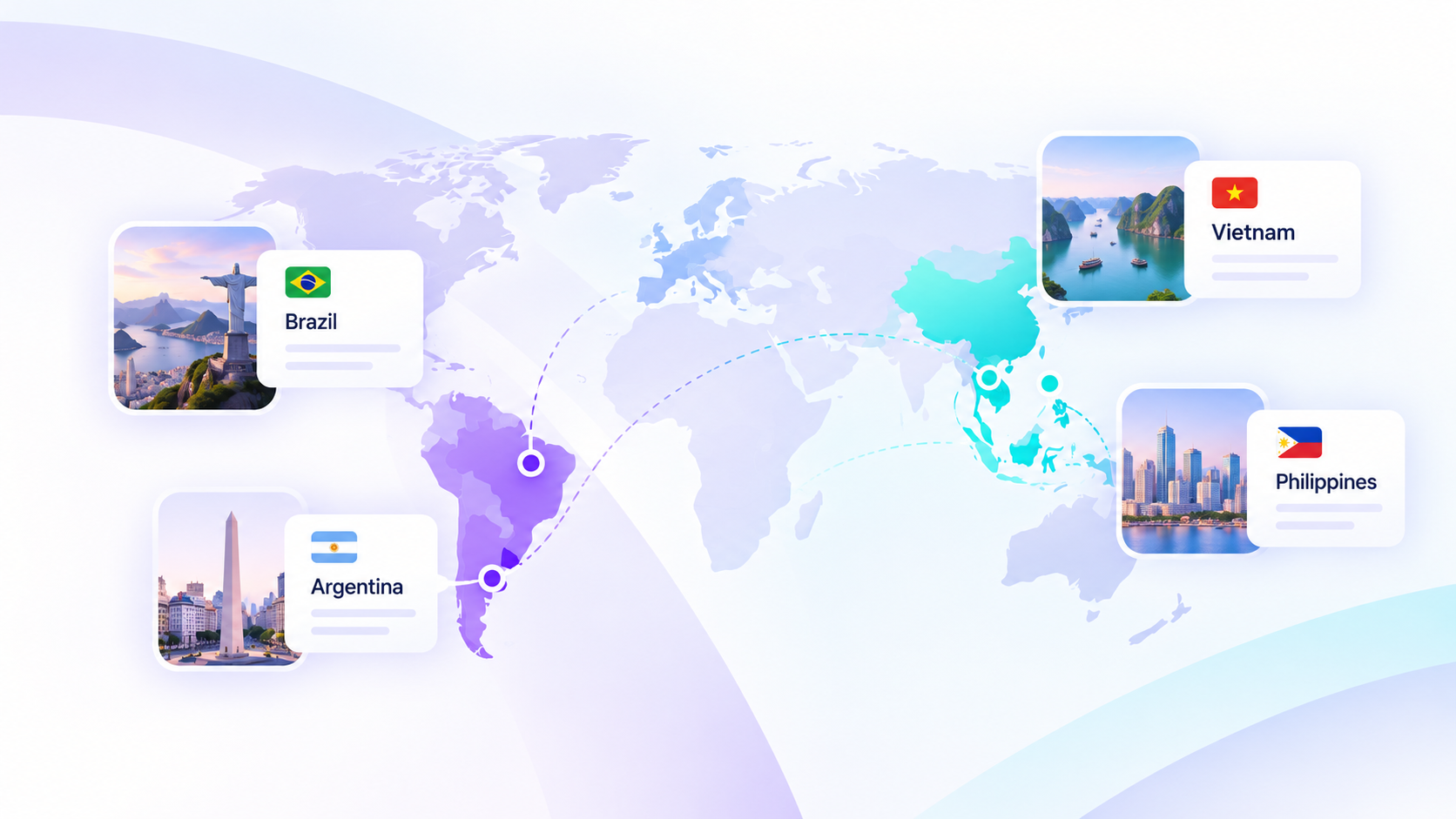
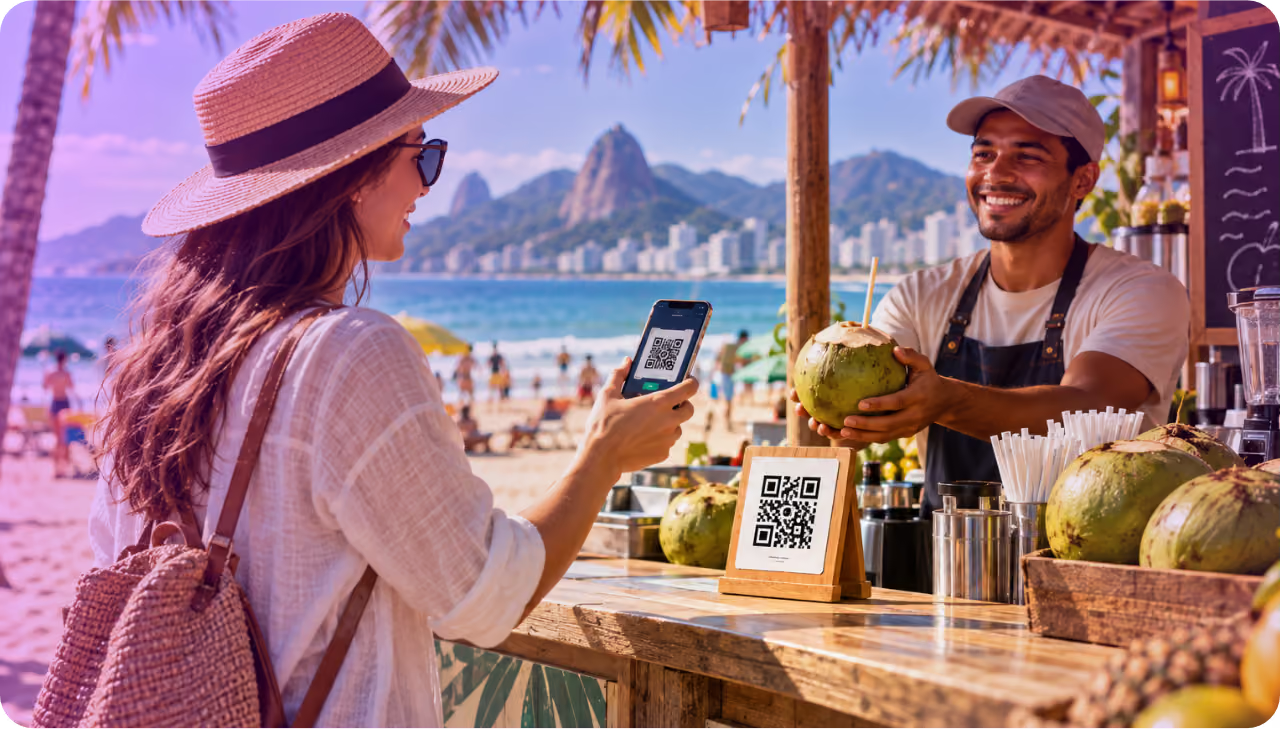
Real-time QR payments are no longer just a domestic convenience. They are becoming cross-border infrastructure.For years, national QR schemes have transformed local payments across Southeast Asia and Central Asia. Vietnam, Thailand, the Philippines and others built strong domestic ecosystems — deeply embedded into mobile banking apps.Now we are entering the next phase: cross-border QR interoperability, starting with travel.At 8B, we are already live with Viet QR (Vietnam) and enabling real-time QR payments directly from a traveler’s home banking app.We are now almost live with Thailand, and expanding toward the Philippines and Sri Lanka.The direction is clear.Travelers do not want more wallets.They do not want to download new fintech apps every time they cross a border.They want to pay from the interface they already trust — their home bank.This signals a structural shift in payments.The era of “globalization through one universal wallet” is ending. Instead, we are seeing global usability through local banks.Consumers are choosing their primary financial relationship — and expecting it to work everywhere.In this model:
- National QR schemes remain central.
- Banks stay at the core of the user experience.
- Cross-border rails operate invisibly in the background.
- FX becomes transparent and embedded, not a friction point.
Travel is the first large-scale use case. But it will not be the last.As QR standards mature and APIs align across regions, interoperability becomes less about experimentation and more about execution and corridor strategy.The real question now is not whether cross-border QR will scale.It is who will focus, prioritize the right corridors, and build infrastructure partnerships fast enough.We believe this wave is only beginning.
You may be interested in: