Binur Zhalenov on the Future of QR Interoperability
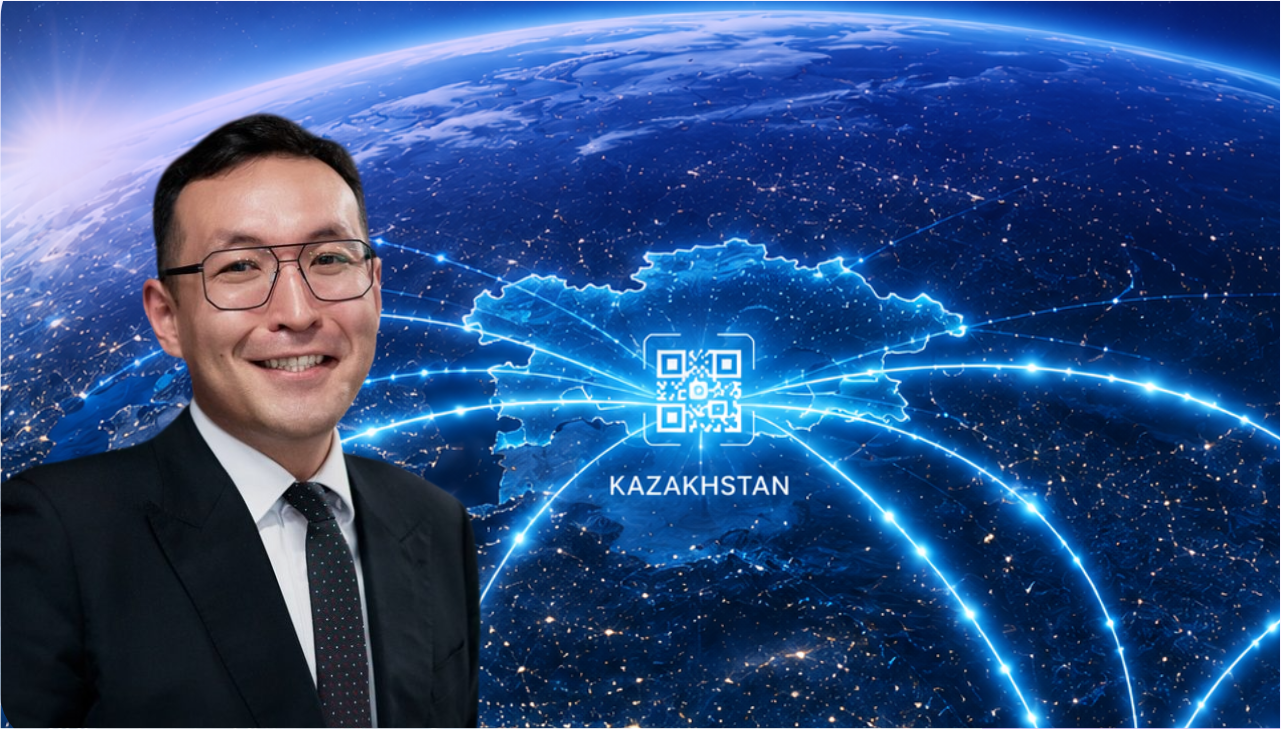
The global payments industry is entering a new phase of development, one where national payment infrastructures are no longer operating in isolation. Instead, countries are increasingly exploring ways to connect their domestic QR payment systems, creating seamless cross-border payment experiences for consumers and businesses. According to Binur Zhalenov, Advisor to the Chairman of the National Bank of Kazakhstan, Kazakhstan is actively working on this vision through a series of international QR interoperability initiatives.
Kazakhstan’s Vision for Cross-Border QR Payments
In a recent interview with Fintech & Retail, Zhalenov confirmed that Kazakhstan is actively developing partnerships that would allow citizens to make payments abroad using their existing banking applications.
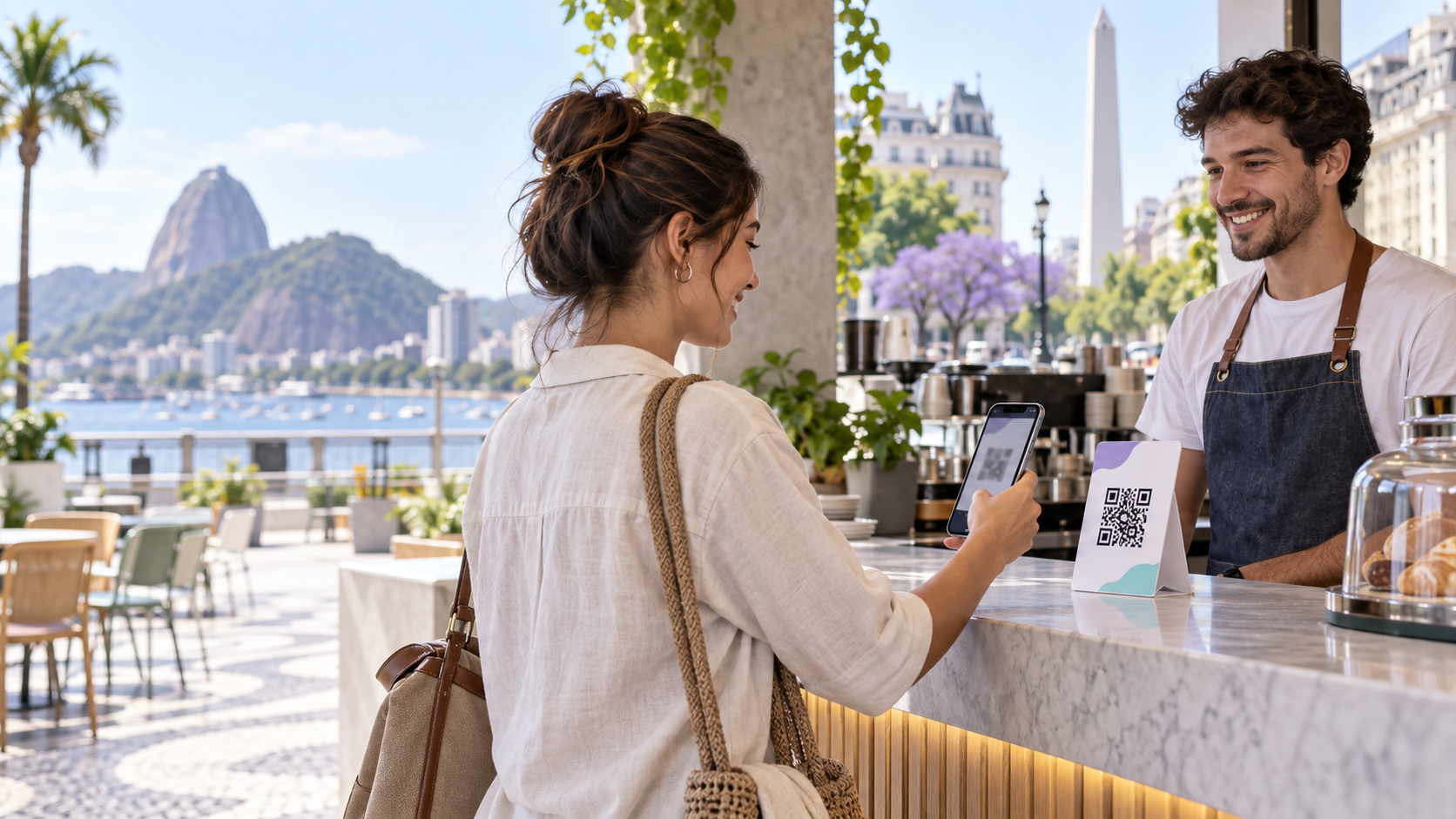
The concept is straightforward: a traveler from Kazakhstan could scan a local merchant QR code in another country and complete the payment directly through their familiar domestic banking app. Likewise, international visitors would be able to pay in Kazakhstan using the mobile payment applications they already use at home.
While China and the United Arab Emirates are among the countries where integration efforts are already being discussed, negotiations and technical preparations are also progressing with other international partners.
According to Zhalenov, each partnership is currently at a different stage of development. Some are focused on establishing legal and contractual frameworks, while others have already moved into technical integration discussions.
A Global Trend Toward QR Interoperability
Perhaps the most significant takeaway from Zhalenov’s comments is his observation that “the world is gradually moving towards a model of interaction between national QR systems.”
This trend is particularly visible across Asia, where several countries have become pioneers in cross-border QR payment connectivity.
Markets such as China, India, Singapore, Thailand, and Malaysia have already begun building interoperable payment networks that allow consumers to use domestic payment applications when traveling abroad. These initiatives demonstrate how QR interoperability can reduce complexity while preserving local payment ecosystems.
Rather than introducing entirely new payment rails, interoperability focuses on connecting existing infrastructure.
Why QR Interoperability Matters
The potential benefits of interoperable QR payments extend beyond convenience.
Improved Consumer Experience
Users can continue using trusted banking and payment applications without needing to download new services or exchange payment credentials when traveling internationally.
Enhanced Tourism and Commerce
Cross-border QR acceptance reduces friction for tourists and business travelers, supporting local economies and international trade.
Lower Infrastructure Costs
By leveraging existing national payment systems, countries can expand payment connectivity without building entirely new networks from scratch.
Greater Financial Inclusion
Interoperable QR systems can make digital payments more accessible to broader populations by relying on technologies that are already widely adopted.
The Road Ahead
While technical, regulatory, and operational challenges remain, the direction of travel is becoming increasingly clear.
As more countries invest in modern payment infrastructure, interoperability is emerging as the next logical step. Instead of competing payment ecosystems, the future may consist of interconnected national networks capable of supporting secure and seamless cross-border transactions.
Kazakhstan’s efforts, as described by Binur Zhalenov, align with a broader global movement toward more connected payment systems. As partnerships mature and integrations are deployed, QR interoperability could become one of the defining developments in the next generation of digital payments.
At 8B, we see interoperable payment infrastructure as a critical enabler of future cross-border commerce. The ability to connect domestic payment systems while maintaining local control and user familiarity represents a powerful model for the evolution of digital payments worldwide.
Source: Fintech & Retail interview with Binur Zhalenov, June 2026.
You may be interested in: